Drain Blockage Plumber: What to Do Before You Call
Last Updated: November 17, 2026
Quick Summary
A drain blockage is a plumbing problem where water cannot flow freely through a pipe, causing slow drainage, gurgling, bad smells or standing water. Diagnose whether it is local or in a shared drain, try safe DIY methods such as boiling water or a plunger, and call an emergency plumber if sewage is backing up, water is rising near electrics or you have no working toilet.
- Run taps and flush the toilet one at a time to locate the blockage.
- Never pour boiling water down a toilet to clear a blockage.
- Stop plunging if water rises, as it can push wastewater into joints.
- Check whether a shared drain is the water company's responsibility before booking.
- Ask for any out-of-hours rates in writing before you agree to a call-out.
Table of Contents
- First Steps When You Have a Drain Blockage
- When to Call an Emergency Drain Plumber
- What a Drain Blockage Plumber Does on a Call-Out
- Drain Unblocking Cost and How to Compare Quotes
- CCTV Drain Survey: Finding the Root Cause
- Blocked Drain Repair and Prevention
- Frequently Asked Questions
First Steps When You Have a Drain Blockage
A drain blockage is a plumbing problem where water cannot flow freely through a pipe, causing slow drainage, gurgling, bad smells or standing water.
Here is the uncomfortable truth most guides skip. Panic-buying a chemical drain cleaner is the single most common mistake we see, and it frequently makes things worse.
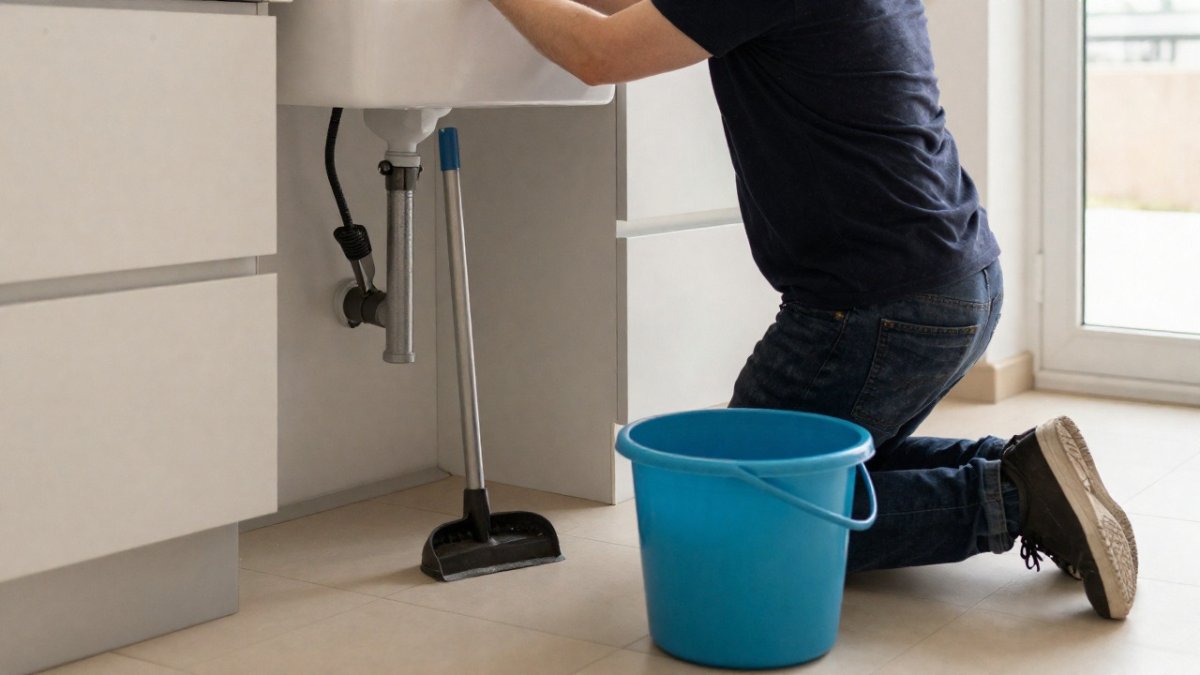
Diagnose the blockage before you call anyone
Start by working out where the problem actually sits. Run the cold tap in the sink, then the bath, then flush the toilet, one at a time. If only one fixture drains slowly, the blockage is likely local to that trap or branch pipe.
Check the external drain too. Lift the gully cover outside and look for standing water or a foul smell. That single check tells you more about the severity than anything else you can do without tools.
Safe DIY methods that actually work
You can clear a simple blockage yourself, provided you stop the moment things look wrong. Try these in order:
- Boiling water: pour a full kettle slowly down the plughole for grease or soap buildup. Never use this on a toilet.
- Plunger: seal the overflow, then plunge firmly five or six times to shift a soft blockage.
- Bicarbonate of soda and vinegar: half a cup of each down the drain, wait fifteen minutes, then flush with hot water.
- Drain rods: feed them gently through an external gully to break up a local blockage. Never force them.
Watch out: if water starts rising rather than draining, stop. Continuing to plunge a fully blocked pipe pushes wastewater into joints and can cause a leak behind a wall.
When to Call an Emergency Drain Plumber
Call an emergency drain plumber immediately if sewage is backing up into the property, water is rising near electrics, or you have no working toilet. Those are health and safety issues, not convenience ones, and they justify a same-day call-out.
Less urgent blockages can usually wait for a standard appointment. Our advice is simple: if the water is contained and draining slowly, book a normal visit. If it is rising, escaping or foul-smelling throughout the property, treat it as an emergency.
A quick triage before you dial
Work through these questions in order. They take under a minute and tell you whether you are dealing with an emergency or a booking.
- Is water rising or contained? Rising water in a shower tray, toilet pan or outside gully means the drain is fully blocked and the next flush will overflow. Contained slow drainage is a booking, not an emergency.
- Is there sewage where it should not be? Waste backing up into a bath, shower or floor drain is a category-three water event under normal insurance definitions. Treat it as urgent and keep children and pets away.
- Are electrics involved? Water near sockets, consumer units or underfloor heating manifolds is a stop-everything situation. Isolate the circuit at the consumer unit if it is safe to reach, then call.
- Is it the only toilet? A property with one WC and a blocked pan has no working toilet. That is an emergency for most households, particularly with young children or vulnerable adults.
- Is it inside or outside the boundary? If the outside gully is backing up when nothing inside is running, the blockage may be in a shared or lateral drain. That changes who is responsible, see below.
Response times and what to expect
Drainamic confirms the proposed attendance window before dispatch, and availability depends on location, workload and access. Ask the dispatcher about the arrival window before you agree.
Checking what equipment the engineer carries can help avoid a second visit.
Shared drains and who to contact
If the blockage sits in a shared drain, one serving two or more properties, responsibility may fall to the water company rather than the homeowner.
If you suspect a shared drain, contact your water company's sewerage team before booking a private contractor.
For a fast response on a blocked drain, book a drain inspection and speak to our team directly. We offer 24/7 blocked-drain response, and we aim to confirm pricing before any work begins.
What a Drain Blockage Plumber Does on a Call-Out
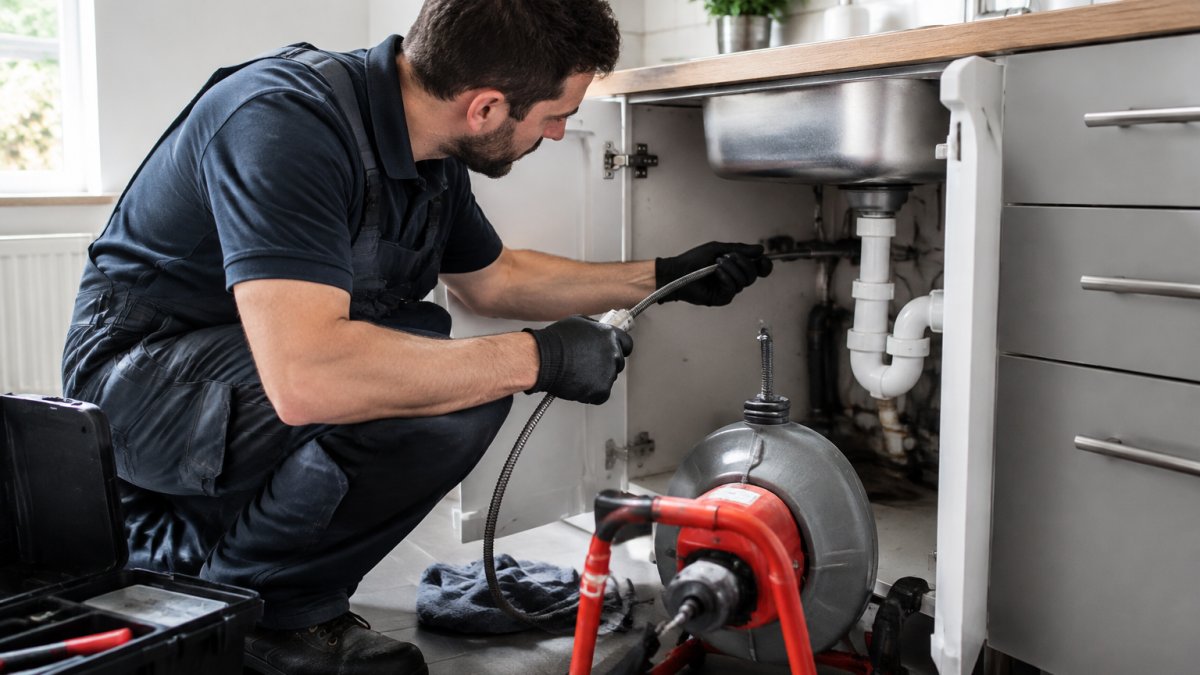
A drain blockage plumber typically diagnoses the cause and clears the blockage, aiming to restore water flow.
First, the engineer asks what happened and when. Then they lift covers, check gullies and identify which section of pipe is affected.
Before leaving, ask the engineer to confirm that water flow is clear through each affected fixture. It tells you whether you are looking at a one-off blockage or a recurring problem.
Drain Unblocking Cost and How to Compare Quotes
Drain unblocking cost depends on access, blockage type and the time of day, so we quote each job individually. Current pricing is available on the Drainamic website, and you can request a quote before any work starts.
What actually drives the price
Several factors affect the final figure. Understanding them helps you check any quote you receive.
- Access. A blockage at an easily reached outside gully is quick. A blockage behind a fitted kitchen unit, under a tiled floor or in a stack pipe above ground floor takes longer and may need a second engineer.
- Blockage type. Soft waste and grease clear with rods or jetting. Root ingress, scale and collapsed pipe need cutting equipment or excavation, which is a different job with a different price.
- Time of day. Out-of-hours and weekend call-outs can be priced differently from standard hours. Ask for any applicable rates in writing before you agree.
- Equipment needed. A rod and a plunger are cheap. High-pressure jetting and CCTV survey are chargeable extras. Ask whether the survey is included in the clearance price or added afterwards.
- Verification. A quote that includes a post-clearance flow test and a written summary is worth more than one that ends when the water starts moving.
How to read a quote
A drainage quote usually has three parts: a call-out charge, a clearance charge, and optional extras such as CCTV survey or repair. Quotes can be structured in different ways, so compare like with like before deciding.
When comparing quotes, ask these questions and write the answers down:
| What to ask | Why it matters |
|---|---|
| Is the call-out charge separate from the clearance? | Some providers quote low then add charges |
| Is the price fixed once the cause is found? | Protects you from surprise additions |
| Is a CCTV survey included or extra? | Diagnosis often needs it |
| What is the out-of-hours rate versus weekday? | The premium can be substantial |
| Is a second visit chargeable if jetting is needed? | Van stock varies between firms |
| Do you provide a written report after the work? | Useful for insurance and for tracking recurring problems |
When comparing quotes, the real comparison is the total cost to a cleared, verified drain, including any return visit.
When a repair quote follows a clearance
If the engineer finds a defect, a crack, root ingress or misalignment, they will usually quote a repair separately. Ask for that quote in writing with the CCTV footage or report attached. A repair quote without evidence is hard to compare against a second opinion. If the figure is significant, it is reasonable to get one alternative quote before agreeing, provided the drain is not causing an active overflow.
What we will not do
Drainamic aims to confirm the scope and the price before any work begins, so you know what is included before work starts.
CCTV Drain Survey: Finding the Root Cause
A CCTV drain survey is a camera inspection of the inside of a pipe that can identify cracks, root ingress, collapses and misalignment.
If you have had repeated blockages in the same place, a survey may help identify the cause. Drainamic provides MSCC5-coded CCTV drainage surveys, with the condition of each pipe recorded using the MSCC5 coding system and a report designed to explain findings in plain English.
To see the condition properly, arrange a professional CCTV drain survey rather than guessing at the cause.
Blocked Drain Repair and Prevention
Blocked drain repair fixes the cause, not just the symptom.
Prevention is largely about habits. Never pour cooking fat down the sink. Use a drain strainer in baths and showers.
Where a repair is needed, review the repair options so you understand the scope before agreeing to work.
A recurring blockage is rarely bad luck. It is usually an unresolved cause, and it will keep returning until someone diagnoses it properly.
Frequently Asked Questions
When should I call a plumber for a blocked drain?
Call a plumber if water is backing up into multiple fixtures, there is a bad smell coming from the drains, or DIY methods like plunging and bicarbonate of soda with vinegar have not cleared the blockage. If sewage is overflowing or you suspect a collapsed pipe, treat it as an emergency and call an emergency drain plumber immediately. A professional can diagnose the cause and restore water flow safely.
How much does it cost to get a blocked drain cleared?
Drain unblocking cost varies depending on the type of blockage, access, and whether it is an emergency call-out. Quotes for drain blockage work vary, so ask for a written quote and confirm what is included. For an accurate figure, ask for a written quote and confirm what is included. Current pricing and quotes are available from the Drainamic website.
Can a plumber use a CCTV survey to find the cause of a blockage?
Yes. A CCTV drain survey uses a camera on a flexible rod to inspect the inside of pipes. It can identify root ingress, cracks, collapses, and scale build-up that simple rodding cannot fix. Surveys can be coded to MSCC5 standards, giving a structured report. This is especially useful for recurring blockages or before buying a property.
How can I tell whether a blocked drain needs repair rather than unblocking?
If the same drain blocks repeatedly, water drains slowly even after clearing, or you notice subsidence or damp patches near the drain line, a repair is likely needed. A CCTV drain survey confirms the condition of the pipe. A blocked drain repair might involve patching a crack, replacing a section of pipe, or addressing root damage. Ignoring recurring blockages often leads to more expensive repairs later.
